
Land Reclamation Without Burning or Hauling
Forestry Mulching in Suffolk for heavy vegetation, invasive species control, and underbrush reclamation on larger parcels
Dense underbrush and invasive vegetation like privet or multiflora rose spread aggressively across unmanaged land, shading out native growth and creating impenetrable thickets that prevent access and reduce property value. A forestry mulcher grinds standing vegetation into mulch in a single pass, chewing through saplings, shrubs, and vines up to six inches in diameter while leaving larger trees untouched. Earthworxs Solutions operates mulching equipment for land reclamation projects in Suffolk, clearing heavy growth without the need for burning permits or debris hauling that add cost and delay to traditional clearing.
The mulcher processes vegetation where it stands, spreading shredded material across the ground as a weed-suppressing layer that decomposes into organic matter. This approach works efficiently on rolling terrain or areas where equipment access limits the use of excavators or manual cutting crews.
Schedule a property evaluation to determine whether your vegetation density and terrain suit mulching over conventional clearing methods.
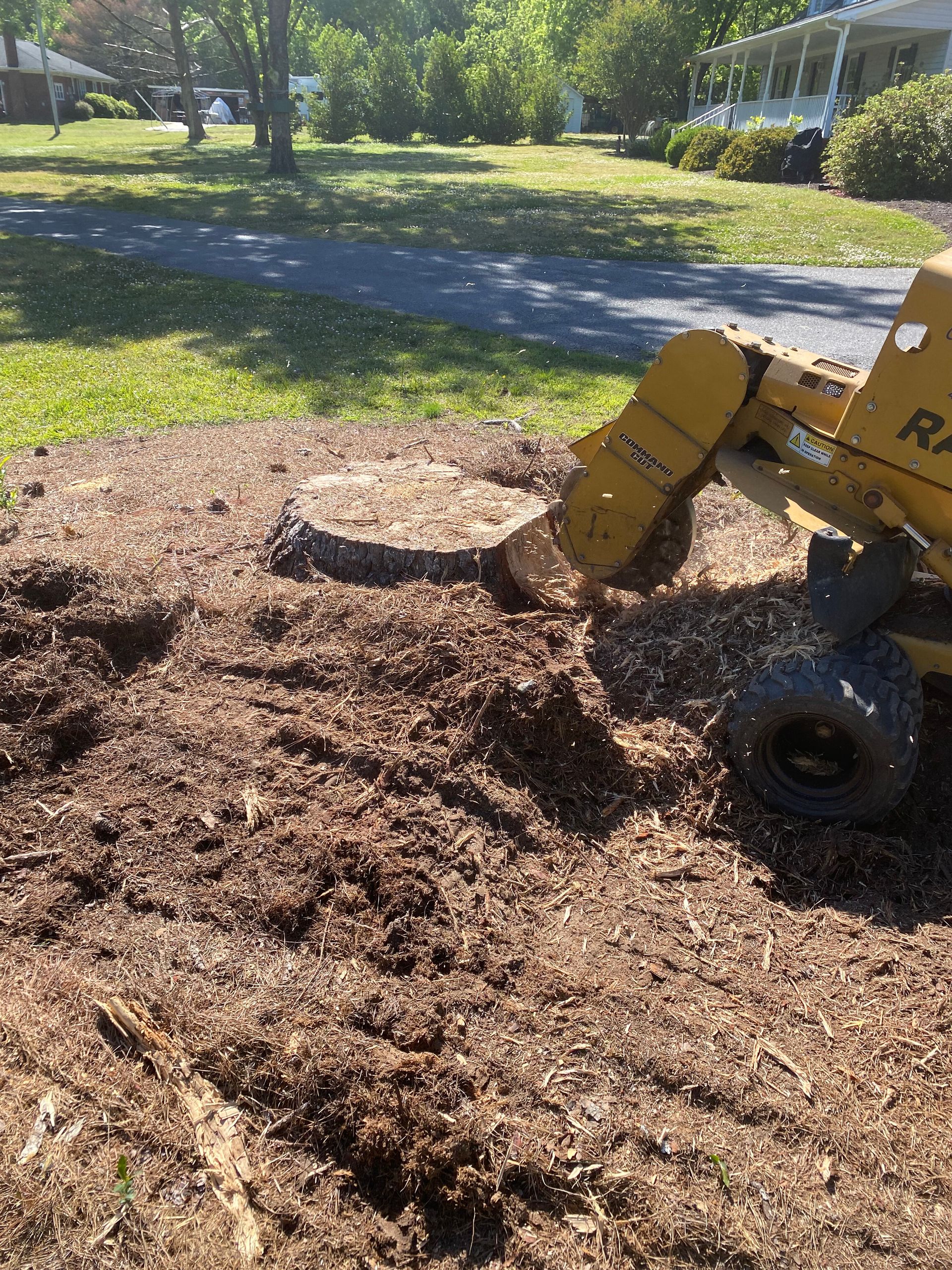
How Forestry Mulching Addresses Invasive Growth
Mulching begins by setting the cutting head height to process vegetation at ground level, with the rotating drum and carbide teeth shredding stems, leaves, and small trunks into uniform chips. Invasive species are targeted first since their aggressive root systems and seed spread make them priority removal candidates. The mulch layer left behind blocks sunlight, reducing the germination rate of new invasive seedlings while allowing desirable species to establish once the canopy opens.
Once mulching finishes, the land shows clear travel paths, visible property boundaries, and reduced fire fuel load from the elimination of dense dry brush. The mulch layer settles into a mat that controls erosion on slopes and retains moisture for replanting or natural regeneration. Invasive vegetation regrowth slows significantly because the mulch depth and lack of light prevent most species from resprouting as vigorously as they do after traditional cutting that leaves stumps and root crowns exposed.
Underbrush removal using mulching improves forest health by opening the canopy and allowing sunlight to reach desirable hardwoods and native shrubs. Land reclamation projects restore fields or pastures overtaken by volunteer trees and scrub, returning acreage to usable condition without topsoil disturbance. Heavy vegetation clearing for trail systems, utility corridors, or wildlife habitat benefits from mulching speed and the elimination of debris piles that require secondary removal.
What Property Owners Usually Ask
Landowners managing larger parcels or dealing with invasive species want to understand how mulching compares to other methods and what the land looks like afterward. These answers address common concerns.
What size vegetation can forestry mulching handle?
Mulchers process saplings and shrubs up to six inches in diameter effectively, with some models handling slightly larger material, though trees above that threshold require separate removal before mulching can proceed.
How does mulching control invasive vegetation better than cutting?
Mulching shreds the entire plant including leaves and seeds into small pieces, then covers the area with a light-blocking mulch layer that suppresses regrowth, whereas cutting alone leaves stumps and often spreads seeds during the process.
When is forestry mulching more efficient than traditional land clearing?
Mulching works best on parcels with dense underbrush and small volunteer trees where hauling debris would be costly, and where terrain or access limits the use of excavators or the staging of burn piles.
What happens to the mulch left on the ground after clearing?
The mulch decomposes over one to two years depending on material type and moisture, gradually incorporating into the soil as organic matter while suppressing weed germination during decomposition.
How does mulching affect future land use in Suffolk?
Mulched areas are immediately accessible for foot traffic, can be replanted or seeded within weeks, and show reduced erosion compared to bare soil, making them suitable for pasture restoration, food plots, or trail development without additional soil amendment.
Earthworxs Solutions handles forestry mulching projects across Suffolk, addressing invasive growth and heavy vegetation on residential and commercial parcels. Arrange a site consultation to review vegetation type and discuss how mulching prepares your land for its intended use.